

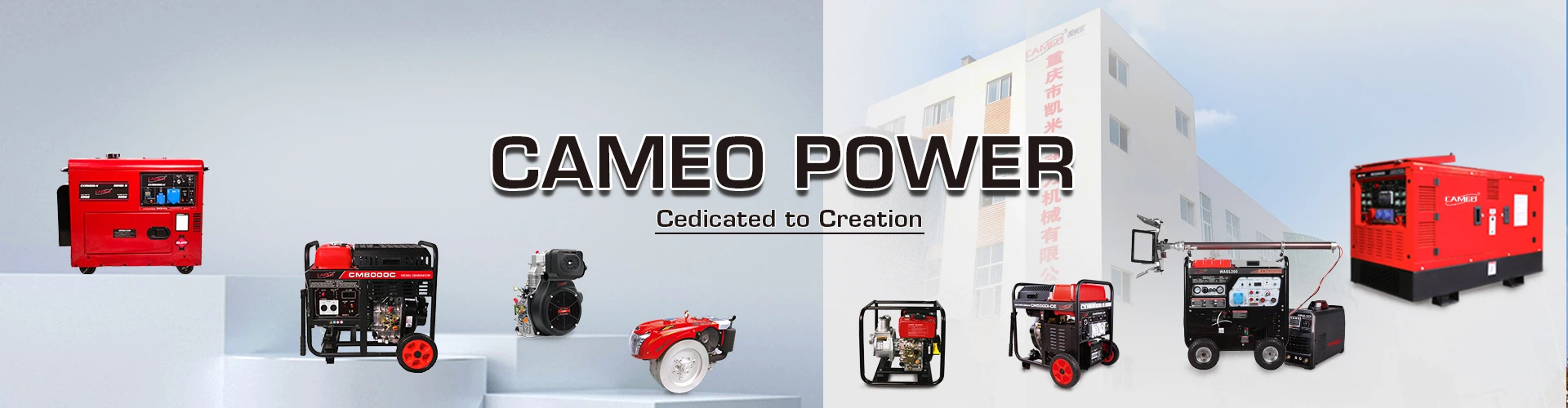
CAMEO POWER: Your Professional Air Cooled Diesel Engine Supplier
Chongqing Camel Power Machinery Co., Ltd. is one of the world's well-known small diesel engines and relative finished products manufacturers. It is one of the most professional production bases for R & D and production of diesel engines in China. It has its own workshop of five automatic production lines and advanced online inspection equipment, with an annual production capacity of more than 500,000 units. In line with the principle of "Customer First" and the product positioning of "Quality Most", the company integrated the industry's high-quality supply system and strive to provide customers with "Cameo" single cylinder and multi cylinders Diesel engines, Diesel Generators, Welding Generators, Diesel Water Pumps, Inverter Welding Machines, Engine driven multi-functional machinery etc a full series of products and services.




Why Choose Us?
Variety of Products
We mainly research and produce diesel engines and relative finished products, such as diesel generators, gasoline generators, diesel engines, welding generators, welding machines and diesel water pumps and so on.
Advanced Production Equipment
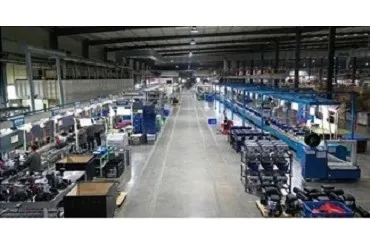
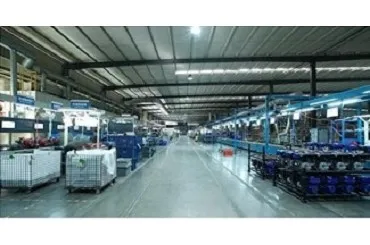
Located in Sanhua Industrial Park, Chongqing, the company has its own workshop of five automatic production lines and advanced online inspection equipment, with an annual production capacity of more than 500,000 units.
Perfect Logistics and After-Sales Service
The materials department consists of 15 warehouse management and handling workers responsible for inventory control, receiving and shipping goods, and more. Besides, our customer service team consists of 10 after-sales service personnel who are available to provide support and solutions to customers at all times.
Wide Market
Cameo adhere to the path of independent brand development, with our products sold in over 150 countries and regions worldwide. We have established a presence in important regional markets such as the United States, Indonesia, Nigeria, Russia, Ukraine, the United Arab Emirates, Thailand, and Brazil, vigorously building our independent brand and distribution channels.
Multiple Professional Certifications
We have a complete quality assurance system, and our after-sales service is professional. We have obtained After-sales Service of Commodity Certificate, Quality Management System Certificate,Official Certification and so on.
R&D Capability
The company's Research and Development team consists of 30 R&D engineers. Through a research and development model that involves interdisciplinary cross-collaboration, multi-technology integration, and coordinated problem-solving, a series of industry-leading R&D achievements have been attained.
Brief Introduction to Air Cooled Diesel Engine
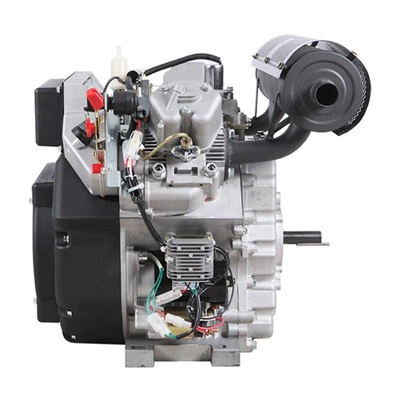
An air-cooled diesel engine is a type of diesel engine that relies on air circulation to cool its internal components instead of using a liquid cooling system, such as water or oil. In an air-cooled engine, heat generated during the combustion process is dissipated through the engine's cylinder walls and other metal parts, which are then cooled by the surrounding air. Air cooled diesel engines are commonly used in applications where liquid cooling is not feasible or practical, such as in some agricultural equipment, construction machinery, and generator sets. However, their limited cooling capacity makes them less suitable for high-performance or high-load applications.
Benefits of Air Cooled Diesel Engine
Simplicity and Reliability
Air cooled diesel engines typically have a simpler design compared to liquid-cooled engines. They lack a complex cooling system, which means fewer parts and less maintenance. This also saves money on repairs, parts replacements, and the overall cost of ownership. This simplicity also contributes to their durability, as there are fewer components that can fail or require regular replacement.
Compact Design
Because air cooled diesel engines do not require a radiator or other liquid cooling components, they are typically smaller and lighter than liquid-cooled engines. This allows for a more compact and lighter overall design of the equipment, which is beneficial in applications where space and weight are critical considerations.
Durability Under Vibration and Shock
Air cooled diesel engines are less sensitive to vibration and shock than liquid-cooled engines. This makes them suitable for use in mobile or off-road applications where frequent movement and vibration can be expected.
Lower Initial Cost
Air cooled diesel engines typically cost less to purchase than liquid-cooled engines due to their simpler design and fewer components. This can be a significant factor in applications where the initial cost of the equipment is a key consideration.
Operation in Remote Locations
Air cooled diesel engines do not require a liquid coolant, which can be difficult to obtain or transport in remote locations. This makes them suitable for use in areas where water or other cooling fluids may be scarce or difficult to access.
Faster Warm-Up
Air cooled diesel engines typically warm up faster than liquid-cooled engines. This can be advantageous in cold climates where quick engine warm-up is essential for efficient operation.
Application of Air Cooled Diesel Engine
Air-cooled engines rely primarily on natural airflow or forced airflow to dissipate heat generated during the combustion process, while water-cooled engines use a liquid coolant (usually water mixed with antifreeze) to circulate through the engine block and remove heat.
Agricultural Machinery
Air-cooled diesel engines are commonly found in agricultural equipment such as tractors, combines, and pumps. These engines are designed to withstand dust, dirt, and varying temperatures, making them suitable for outdoor agricultural environments.
Construction Equipment
Air-cooled engines are also used in construction equipment like bulldozers, excavators, and backhoes. These engines are typically more durable and require less maintenance than water-cooled engines, making them suitable for harsh construction sites.
Marine Applications
In some marine applications, air-cooled engines are preferred due to their compactness and resistance to corrosion. They are often used in small boats or yachts where water-cooled engines would be difficult to install or maintain.
Generators
Air-cooled diesel generators are widely used in remote areas or locations where a reliable power supply is limited. These generators are portable and can operate without the need for a constant supply of cooling water.
Military
Air cooled diesel engine are most preferred due to their resistance to varying environmental conditions.
Backup Power Systems
Air-cooled diesel engines are often used in backup power systems for hospitals, data centers, and other critical facilities. These engines can quickly start up and provide power in the event of a power outage.
Components of Air Cooled Diesel Engine


Air cooled diesel engines have a number of components that work together to convert fuel into mechanical energy. While the exact components may vary depending on the specific engine model, here are some of the main components typically found in air-cooled diesel engines:
Cylinder Block
The cylinder block is the main structure of the engine, providing support for the cylinders, pistons, and crankcase. It also contains the oil sump for lubricating the engine's moving parts.
Cylinders
Cylinders are bored into the cylinder block and house the pistons. They are responsible for containing the high-pressure combustion process.
Pistons
Pistons are connected to the crankshaft by connecting rods. They move up and down within the cylinders, converting the force generated by combustion into rotational motion.
Crankshaft and Connecting Rods
The crankshaft is a long metal rod with offset sections (cranks) that convert the reciprocating motion of the pistons into rotational motion. Connecting rods connect the pistons to the crankshaft, transmitting the force generated by the pistons to the crankshaft.
Cylinder Head
The cylinder head covers the top of the cylinders and contains the valves (intake and exhaust) that control the flow of air and fuel into the cylinders and the exhaust gases out of the cylinders.
Valves and Valve Train
Valves allow air and fuel to enter the cylinders and exhaust gases to exit. The valve train consists of camshafts, rocker arms, and other components that open and close the valves at the appropriate times during the engine's operation.
Fuel Injection System
The fuel injection system delivers fuel to the cylinders at high pressure, typically through fuel injectors that spray fuel directly into the cylinders near the top of the compression stroke.
Air Intake and Exhaust Systems
The air intake system supplies air to the cylinders, while the exhaust system carries away the spent gases after combustion. Air cooled diesel engines typically have an intake manifold and an exhaust manifold that distribute air and exhaust gases to and from the cylinders.
Cooling System
Although air cooled diesel engines do not use a liquid coolant like water-cooled engines, they still have a cooling system that relies on airflow to dissipate heat. This may include fins or ribs cast into the cylinder block and cylinder head to increase surface area for heat dissipation.
Lubrication System
The lubrication system ensures that moving parts within the engine are properly lubricated to reduce friction and wear. It typically consists of an oil pump, oil filter, and oil galleries within the engine block to distribute oil to critical areas.
Starter and Ignition System
The starter motor is responsible for cranking the engine to initiate the combustion process, while the ignition system provides the spark necessary to ignite the air-fuel mixture within the cylinders.
Air Cooled Diesel Engine VS Water Cooled Diesel Engine
Air cooled diesel engines and water cooled diesel engines differ in several key areas, including efficiency, durability, maintenance requirements, and cost. Here's a comparison of the two types of engines:
Cooling Mechanism
Air cooled diesel engines rely on natural or forced airflow to dissipate heat, while water cooled diesel engines use a liquid coolant (usually water mixed with antifreeze) to circulate through the engine block and remove heat.
Maintenance Requirements
Water cooled diesel engines require regular checks and replacements of coolant, while air cooled diesel engines have fewer fluids to monitor and maintain. And air cooled diesel engines just require more frequent cleaning to prevent dust and dirt buildup.
Cost
Air cooled diesel engines are generally less expensive to purchase and maintain due to their simpler design and fewer components. Water cooled diesel engines, while more efficient, may have higher upfront costs and ongoing maintenance expenses.
Efficiency
Water cooled diesel engines typically run at higher temperatures, which allows for more complete combustion and higher fuel efficiency. Air cooled diesel engines, on the other hand, may run at lower temperatures, potentially reducing fuel efficiency.
Durability
Air cooled diesel engines are often more durable and less prone to corrosion due to their exposure to fewer fluids and fewer potential leak points. Water cooled diesel engines, while more efficient, may require more maintenance and have a higher risk of corrosion or freezing in cold environments.
Applications
Air-cooled engines are commonly found in agricultural equipment, construction equipment, small boats, and backup power systems due to their durability and reliability. Water-cooled engines are more common in high-performance applications that require more precise temperature control or higher cooling capacity, such as heavy-duty trucks, cars, and generator sets.
Regular Cleaning
Air cooled diesel engines rely on airflow to dissipate heat, so it's important to keep them clean to prevent dust, dirt, and debris buildup. Regularly clean the engine and its components, including the cooling fins, to ensure proper airflow.
Checking and Replacing Air Filters
Air filters protect the engine from dust and dirt that can damage internal components. Check the air filter regularly and replace it when necessary to maintain clean air intake.
Lubrication
Ensure that the engine is properly lubricated by checking and changing the oil regularly. Use the recommended grade and type of oil specified by the engine manufacturer.
Checking Coolant Level
Although air cooled diesel engines don't use a liquid coolant, some may have a small amount of oil or coolant mixture to lubricate and cool specific components. Check the coolant level regularly and top it up as needed.
Belt and Hose Inspection
Inspect the belts and hoses for wear and tear. Replace damaged or worn-out belts and hoses promptly to prevent failure.
Spark Plugs and Fuel System
Check and replace spark plugs as recommended by the manufacturer. Also, inspect the fuel system for leaks or clogs and clean or replace fuel filters as needed.
Valve Clearance and Timing
Check the valve clearances and timing regularly to ensure proper engine operation. Adjust or replace valves as needed.
Cooling System Inspection
Inspect the cooling system, including the radiator and fan, for any leaks or obstructions. Clean the radiator regularly to prevent clogging.
Regular Start-Ups
Even if the engine is not used frequently, it's important to start it up regularly to ensure it runs smoothly and to prevent internal corrosion.
Monitoring Operating Conditions
Keep track of the engine's operating conditions, including temperature, oil pressure, and exhaust color. Abnormalities can indicate potential problems that need attention.
Precautions for Using Air Cooled Diesel Engine
Regular Maintenance and Inspection
Regular maintenance and inspection of the air cooled diesel engine are crucial. This includes checking and replacing fluids, cleaning filters, and lubricating moving parts. Additionally, inspect the cooling system to ensure proper airflow and heat dissipation.
Starting Procedures
Follow the recommended starting procedures, including checking the battery, starter motor, and ignition system. Ensure that all safety devices, such as the parking brake and emergency stop button, are in place and operable.
Shutdown Procedures
When shutting down the engine, follow the recommended procedures to ensure a smooth shutdown and prevent damage to the engine. Allow the engine to cool down gradually before turning it off completely.
Environmental Considerations
Take into account the environmental conditions where the air cooled diesel engine will be operated. High ambient temperatures, dust, and other contaminants can affect engine performance and require additional maintenance measures.
Monitoring Operating Conditions
Closely monitor operating conditions such as engine temperature, oil pressure, and fuel levels. Abnormalities in these parameters can indicate potential problems that should be addressed immediately.
Avoiding Overload
Do not operate the air cooled diesel engine beyond its rated capacity. Overloading the engine can lead to overheating, excessive wear, and even failure.
Proper Fuel Selection and Storage
Use the correct type and grade of fuel recommended for the engine. Store fuel in a clean, dry container and avoid contamination with water or debris.
Emergency Shutdown
In case of any emergency or malfunction, know how to safely shutdown the air cooled diesel engine. Familiarize yourself with the emergency shutdown procedures and have them clearly marked for easy access.
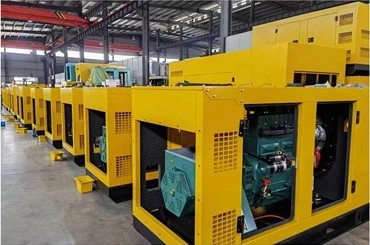
Our Factory
Below is our factory:


Video Display
Certifications


Ultimate Guide
As one of the leading air cooled diesel engine manufacturers and suppliers in China, we warmly welcome you to buy the best air cooled diesel engine for sale here from our factory. All our products are with high quality and competitive price.
5hp Air Cooled Diesel Engine, 10 hp diesel engine, Diesel Engine